
Optimal Timing for Tree Removals
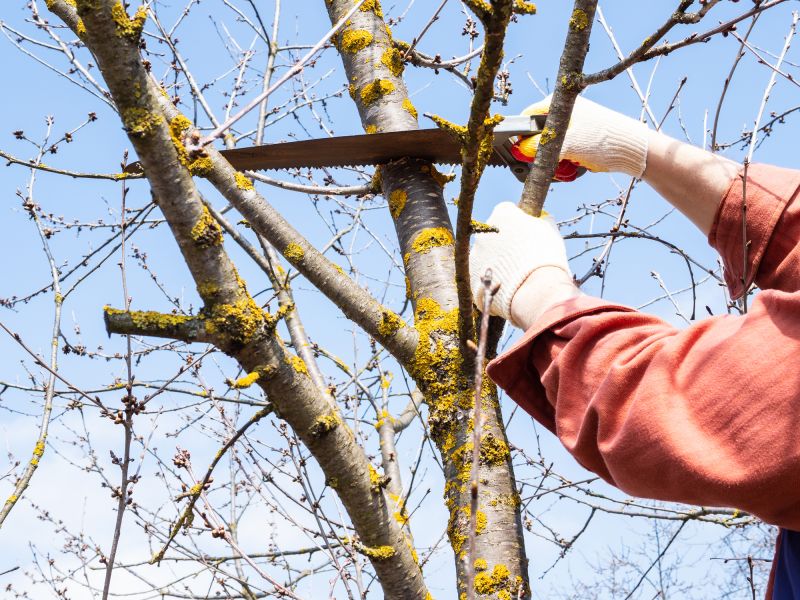
Spring offers favorable conditions for tree removal due to moderate weather and active growth cycles.
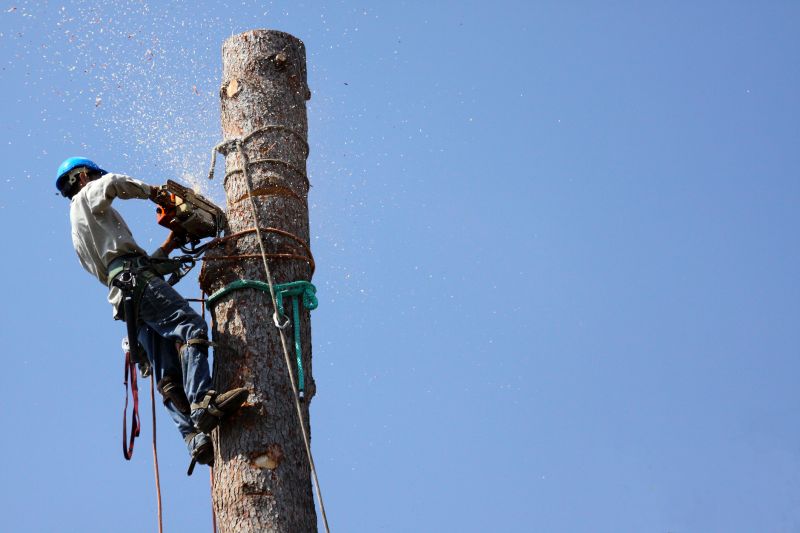
Summer may pose challenges due to heat and drought conditions, but certain removals can be safely performed with proper planning.
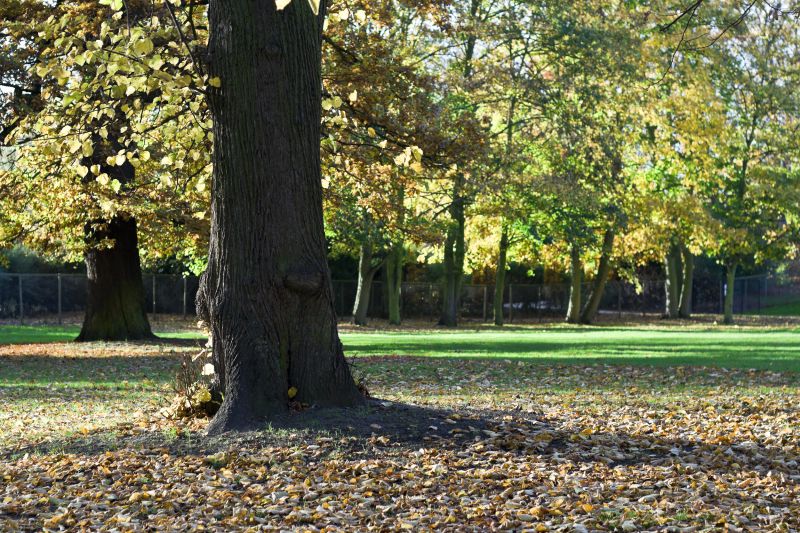
Fall is often ideal for tree removal, as trees enter dormancy, reducing stress and promoting quicker healing.
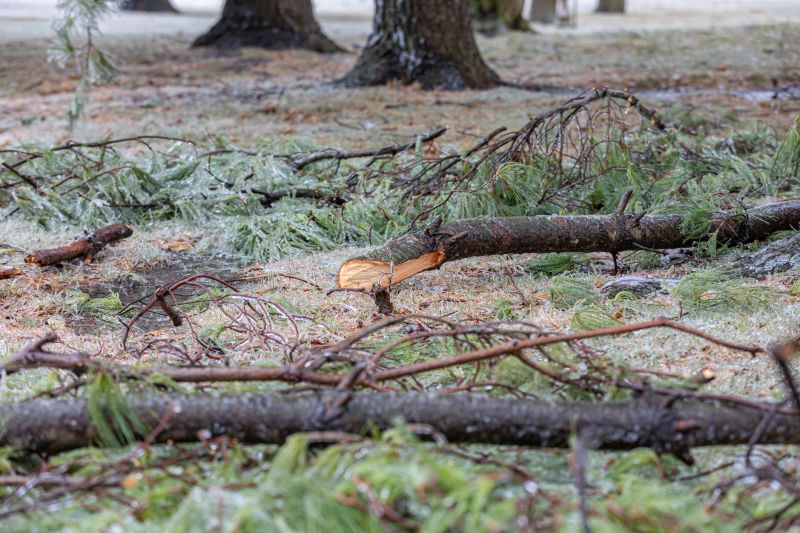
Winter provides optimal conditions for tree removal, with less foliage and cooler temperatures minimizing disease spread.
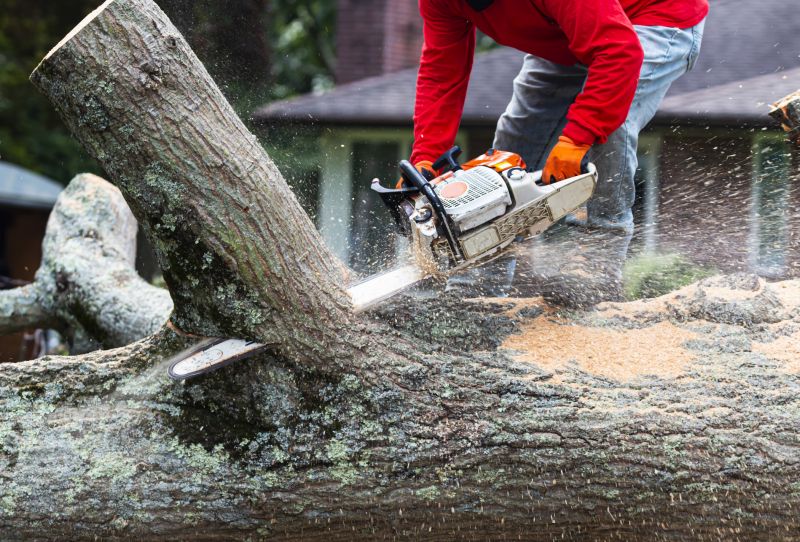
Performing removals during dormancy minimizes impact on surrounding landscape and reduces pest and disease risks.
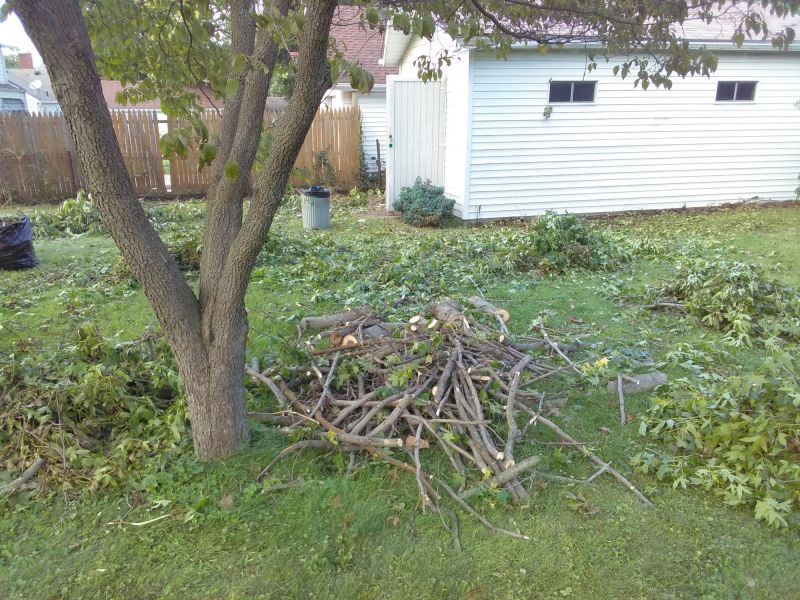
Spring and fall removals may interfere with tree growth cycles and increase vulnerability to pests and diseases.
Tree removals are a critical part of landscape management, ensuring safety, health, and aesthetic appeal. Timing plays a vital role in successful removal processes, influencing tree health, safety, and the impact on surrounding vegetation. Understanding seasonal variations helps in planning removals that minimize stress on trees and reduce risks associated with pests and diseases.
Statistics show that performing tree removals during dormancy can reduce recovery time by up to 50%. In Napa, the mild winter climate allows for flexible scheduling, with winter and late fall being especially suitable. Proper timing ensures safety for property and landscape, and promotes healthier regrowth if replanting is involved.
Choosing the right season can enhance safety, reduce tree stress, and improve healing after removal.
Avoiding extreme weather during removal reduces risks of accidents and damage.
Proper timing can prevent pest infestations and disease spread in remaining trees.
Timing removals to align with planting seasons supports landscape renewal.
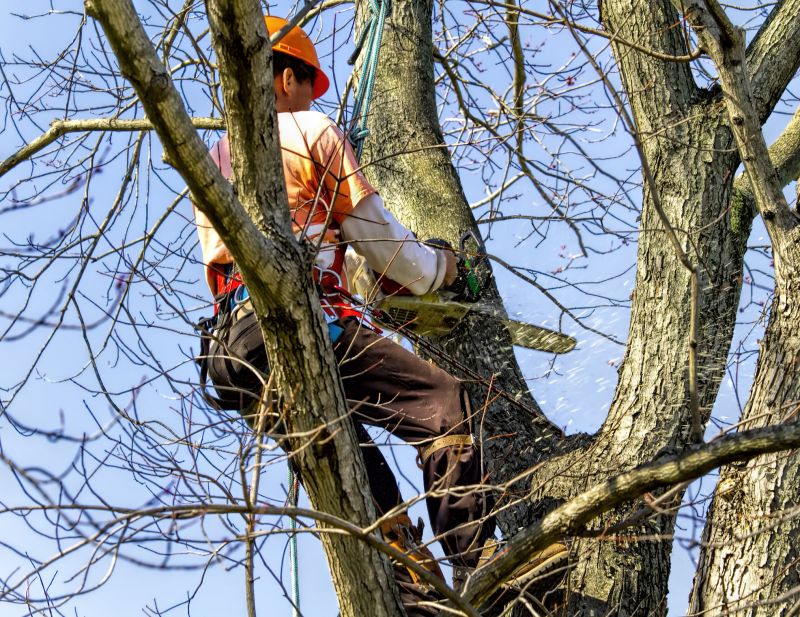
Specialized equipment ensures safe and efficient removal processes.
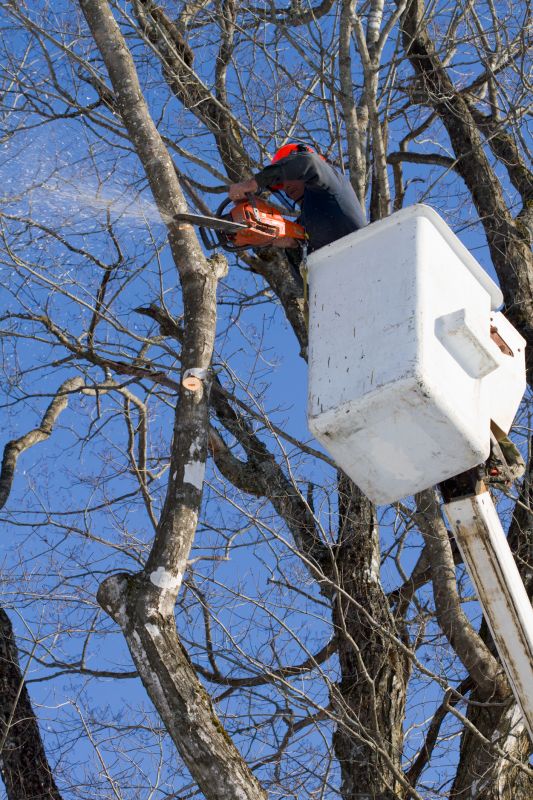
Winter offers clear conditions for safe tree removal with minimal foliage.
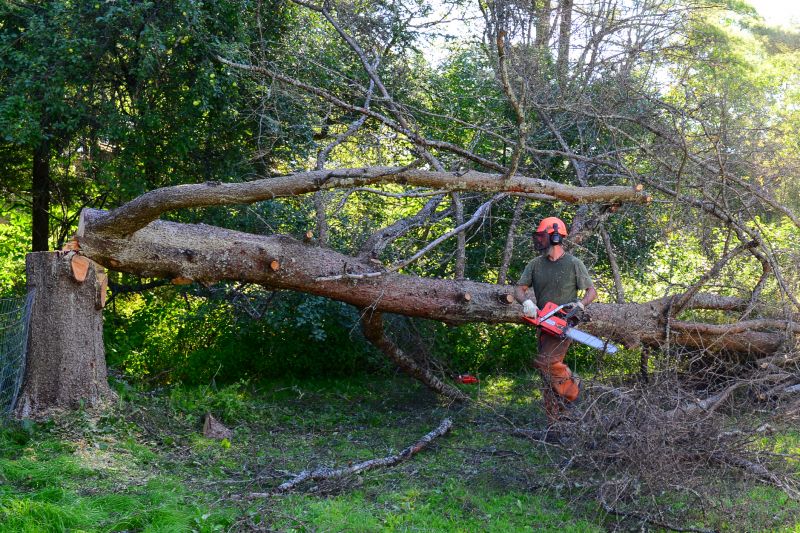
Proper timing preserves surrounding healthy trees and landscape integrity.
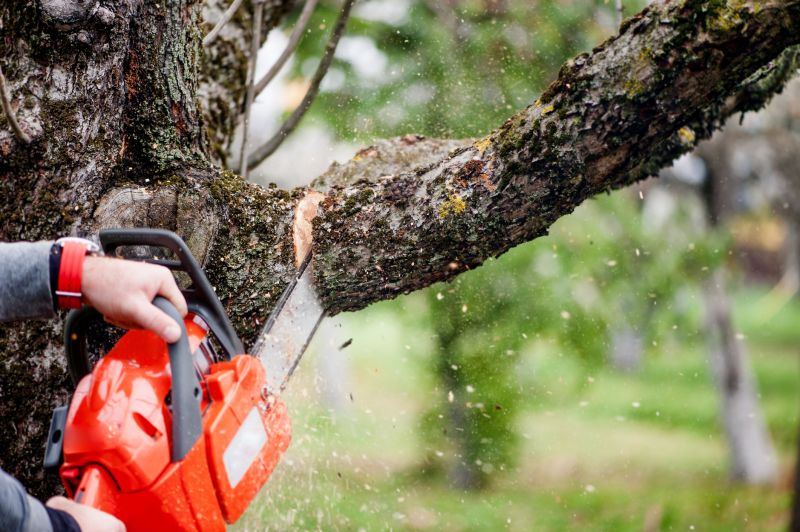
Removing trees during appropriate seasons minimizes landscape disruption.
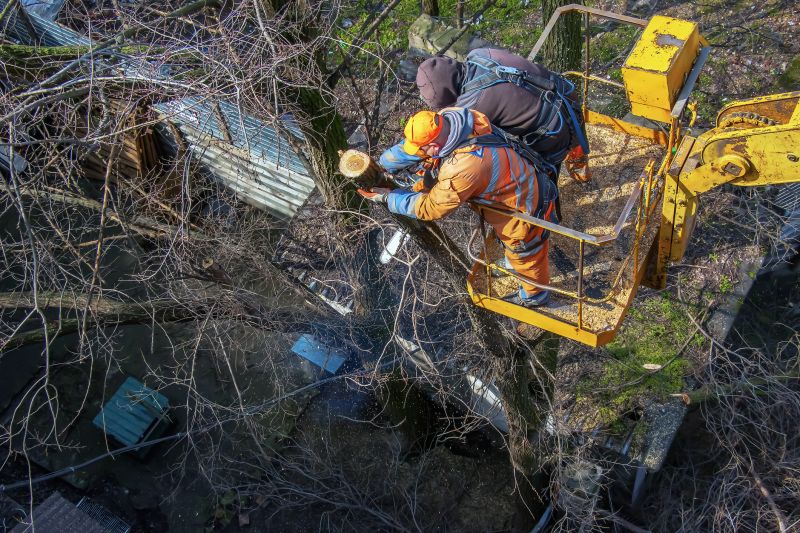
Monitoring weather conditions is essential for safe removal operations.
| Season | Advantages |
|---|---|
| Winter | Minimal leaf cover, cooler temperatures, reduced pest activity |
| Fall | Trees enter dormancy, less sap flow, easier cleanup |
| Spring | Active growth, quicker healing if removal is necessary |
| Summer | Higher temperatures, more stress on trees, but possible with precautions |
| Late Fall | Reduced foliage, preparation for winter dormancy |
Understanding the optimal timing for tree removals can lead to safer, more efficient, and healthier landscape management. In Napa, California, winter and late fall are often the most suitable seasons due to favorable weather conditions and the natural dormancy of many tree species. Proper timing not only ensures safety but also supports landscape aesthetics and long-term tree health.
Interested in scheduling a tree removal? Filling out the contact form provides an opportunity to discuss timing options tailored to specific landscape needs and local climate conditions.